
The Biomechanics of Bodyweight Growth: How a Body Weight Squat Workout Builds Mechanical Tension Without Heavy Barbells
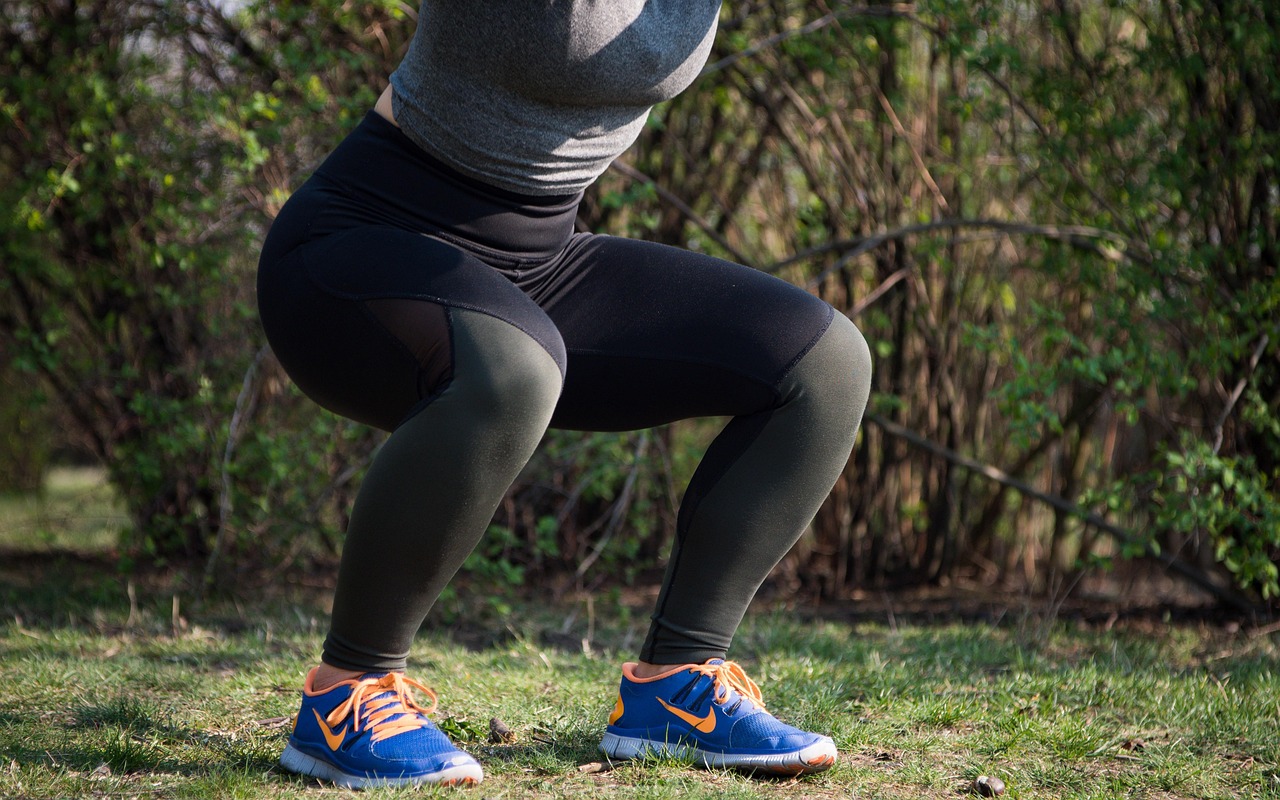
A body weight squat workout can build real, visible muscle, but only if you understand the biomechanics driving that growth. Most bodyweight exercises for beginners fail to progress because people assume that without external load, the muscle has nothing to work against. In reality, mechanical tension — the driving stimulus behind hypertrophy — can be generated through leverage, tempo, range of motion, and unilateral loading. This guide breaks down exactly how tension is created without barbells, and how to structure high intensity body weight exercises so your training keeps producing results long after push-ups stop feeling hard.
Why Muscle Doesn't Actually Need a Barbell to Grow
Muscle tissue responds to mechanical tension, not to the specific object producing it. A barbell is simply one convenient way to load a muscle through a range of motion — it is not a biological requirement for growth. Research on resistance training consistently shows that when total tension, time under tension, and proximity to muscular failure are equated, bodyweight-based training produces comparable hypertrophy to external-load training. This is the foundation of every effective body weight squat workout: the muscle cannot tell the difference between resisting a 45-pound barbell and resisting the redistributed weight of your own body through a longer lever arm.
Mechanical Tension: The Real Driver of Growth
Mechanical tension is the force a muscle fiber must produce to overcome resistance, whether that resistance comes from gravity acting on a loaded bar or gravity acting on your own limbs. When you slow down a squat, extend your arm further from your torso, or shift weight onto one leg instead of two, you increase the mechanical demand on the working muscle without adding a single external pound. This is precisely why bodyweight exercises for beginners can still build strength even though the "weight" never changes — because leverage, tempo, and range of motion are all variables that increase tension independently of load.
Time Under Tension and Metabolic Stress
Bodyweight training leans heavily on two secondary hypertrophy pathways: time under tension and metabolic stress. Slowing an eccentric phase to three or four seconds keeps a muscle fiber under load far longer than a fast barbell repetition would, recruiting additional motor units to sustain the contraction. High intensity body weight exercises performed in short, dense sets also produce significant metabolic stress — the burning sensation from accumulated metabolites — which independently contributes to muscle growth signaling, even at submaximal loads.
Leverage: Your Built-In Loading Mechanism
Every bodyweight movement is a lever problem. Moving your center of mass further from a joint's axis of rotation increases the torque that joint's muscles must produce to complete the movement. A close-grip push-up demands more from the triceps than a wide-grip version; a single-leg squat demands dramatically more from the quadriceps and glutes than a standard two-legged squat, because the working leg alone must now support and move the entire body's mass. Understanding your own bodyweight and how it interacts with these lever arms is useful context — tools like FitMotif's ideal weight calculator can help you set a realistic frame of reference as your training load — quite literally your body — changes over time.
The Body Weight Squat Workout: A Biomechanics Breakdown
The squat is the clearest example of mechanical tension without a barbell, because it is fundamentally a joint-angle problem, not a weight problem. As you descend into a squat, the knee and hip flexion angles change how much torque the quadriceps, glutes, and hamstrings must produce to control and reverse the movement. A properly structured body weight squat workout manipulates these angles — and manipulates speed and stance — to keep the tension climbing long after the exercise stops feeling new.
Progressing the Squat Without Adding Weight
Standard bodyweight squats become easy for most people within a few weeks, which is exactly why progression matters more than the exercise itself. Slowing the descent to a three-second count, pausing at the bottom for two seconds, or shifting to a Bulgarian split squat all increase mechanical tension by changing tempo, dwell time, or limb distribution — not by adding a barbell. A single-leg pistol squat can generate more torque at the knee and hip than a two-legged squat loaded with a moderate barbell, because nearly all of your bodyweight is now routed through one limb instead of two.
Structuring High Intensity Body Weight Exercises
High intensity body weight exercises — jump squats, explosive push-ups, burpee variations — add a different stimulus on top of mechanical tension: rate of force development. These movements train the muscle to produce force quickly, which recruits fast-twitch fibers that slower, controlled bodyweight work may not fully activate. The most effective programs combine both approaches: slow, tension-focused sets early in a session when fatigue is low and technique is sharp, followed by shorter, explosive high intensity body weight exercises once the muscle is already primed. This sequencing mirrors how strength coaches program barbell training, just without the external load.
Why Range of Motion Matters More Than People Think
A partial-range squat performed with the same tempo as a full-range squat produces measurably less muscle activation, because the working muscle spends less time under tension and never reaches the joint angles where the greatest torque demand occurs. Full-depth bodyweight squats — thighs at or below parallel — recruit significantly more glute and hamstring tissue than shallow versions. If mobility limits your depth, working gradually toward full range of motion is a better long-term investment than simply adding reps at a shallow angle. As your training changes your body composition, revisiting a tool like the ideal weight calculator every few weeks can help you see whether strength gains are tracking alongside meaningful body composition change, rather than relying on the scale alone.
Building a Program That Keeps Producing Results
Bodyweight exercises for beginners often stall not because the method is flawed, but because the program never adds new tension once the original movement becomes easy. A sustainable plan treats bodyweight training the same way a strength coach treats barbell training: track a variable, progress it deliberately, and rotate stimulus so the muscle never fully adapts to a fixed demand.
The Four Levers You Can Pull Without a Barbell
Every bodyweight session should progress through at least one of four levers: tempo (slower eccentrics, added pauses), leverage (single-limb or elevated variations), range of motion (deeper squats, fuller push-up depth), and density (more work in less rest). A body weight squat workout that rotates through these four levers every few weeks will keep generating new mechanical tension long after a beginner's first bodyweight squat stops producing any training effect at all.
A Sample Weekly Structure
Beginners typically do well with three non-consecutive training days per week, alternating between tension-focused sessions (slow tempo squats, split squats, controlled push-up variations) and high intensity body weight exercises (jump squats, mountain climbers, burpee circuits). Two to four sets of eight to fifteen controlled repetitions per movement, taken close to muscular failure, produces a reliable hypertrophy stimulus. Rest 48 to 72 hours between sessions targeting the same muscle group to allow adequate recovery.
Common Mistakes That Blunt Mechanical Tension
The most common error is rushing repetitions, which shortens time under tension and shifts work onto momentum instead of muscle. A second common mistake is never progressing leverage or range of motion once a movement becomes comfortable, which caps growth at whatever tension the original exercise version could generate. A third is neglecting recovery, since mechanical tension only translates into muscle growth when paired with adequate protein intake and sleep — the biological side of the equation that no amount of training technique can substitute for.
When to Reintroduce External Load
Bodyweight training has a real ceiling: eventually, even the most advanced leverage and tempo manipulations cannot generate as much tension as external load can for certain movement patterns. For most beginners and intermediates, however, that ceiling sits much further away than commonly assumed — a well-progressed body weight squat workout can produce meaningful strength and size gains for months, often over a year, before external resistance becomes necessary to keep progressing.
Frequently Asked Questions
Can a body weight squat workout actually build muscle?
Yes. A body weight squat workout builds muscle through mechanical tension, time under tension, and metabolic stress — the same core pathways that drive muscle growth from barbell training. Manipulating tempo, range of motion, and single-leg leverage keeps tension climbing even without added weight.
What are the best bodyweight exercises for beginners?
The most effective bodyweight exercises for beginners are full-range squats, push-ups, glute bridges, and split squats, performed with controlled tempo and taken close to muscular failure. These movements teach proper joint mechanics before more advanced leverage variations, like pistol squats, are introduced.
How often should I do high intensity body weight exercises?
Two to three sessions per week that include high intensity body weight exercises, such as jump squats and burpee variations, is sufficient for most people. Pair them with slower, tension-focused sets earlier in the same session, and allow 48–72 hours of recovery between sessions targeting the same muscle group.
How do I know if my bodyweight training is actually working?
Track reps at a given tempo, note how deep and controlled your squats are becoming, and monitor body composition changes over time rather than relying on the scale alone. A tool like FitMotif's ideal weight calculator can provide a useful reference point as your training progresses.
Conclusion
Understanding the biomechanics behind a body weight squat workout changes how you think about training altogether — mechanical tension, not external weight, is what actually drives muscle growth. By manipulating tempo, leverage, and range of motion, bodyweight exercises for beginners can progress into genuinely demanding, high intensity body weight exercises without ever touching a barbell. Apply the four levers consistently, track your progress with tools like the ideal weight calculator, and let mechanical tension — not equipment — be the variable that keeps your training working.